Monday, July 17, 2017

Double Indemnity (Wilder, 1944)


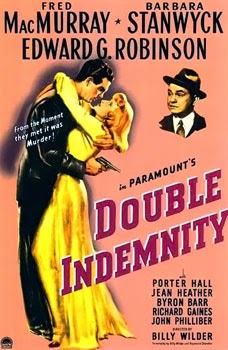
Double Indemnity is the noir all others look to for inspiration. The shady murders, the fast-paced dialogue, the dark alleyways, the femme fatale, the venetian blinds, the sexually charged plot, the brisk writing - all of these make it the model for other film noirs. It has characters more complex and conniving than some of today’s main protagonists, and the stellar production design makes it very easy to escape into their crazy world. Why do you believe Double Indemnity is considered the "quintessential" noir?


The plot of Double Indemnity is actually kind of ridiculous, and the movie frequently slips into absurd actions, plot devices, and dialogue like "For him a set-up like that would be just like a slice of rare roast beef." At first glance, it tells viewers how to commit the perfect murder. However, the closer we watch, the more we realize that the perfect murder relies on the perfect world- an impossible situation. Did you notice all the flaws in their so-called “perfect murder”? Could it have been a perfect murder if their egos didn't get int the way?


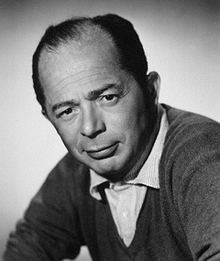
However, Double Indemnity’s pretty standard noir plot greatly benefits from a marvelous script. Billy Wilder, the director and screenwriter, was an artist who relied on words: each Wilder movie (which also includes Sunset Boulevard and Some Like it Hot) is remembered for having highly quotable screenplays. Lines like “I’m ready for my close-up, Mr. DeMille” and “Well, nobody’s perfect” have ended up in numerous Best Movie Quotes lists, and his writing talents are evident in Double Indemnity. What parts of the script stood out for you? Did you enjoy the fast-paced talking, or did you prefer the movie's more subtle, quieter moments? Keep in mind that the film is based on a novel - how does this influence the script?


Something interesting about Double Indemnity is that it got away with so much, even though it was made in the midst of the Hays Code (an attempt to censor Hollywood during the conservatism and paranoia of the Cold War era). Any film that was deemed "inappropriate" for general audiences was banned, and even those that were approved were highly regulated by the U.S. government. As such, many movies were not allowed to express their full artistic potential because of their controversial nature.


Billy Wilder's sharp direction tip-toed a fine line around the Code; obviously, a movie that relies so heavily on a murder and the sexually-based appetites of its leading characters would not easily slip past the censors. In fact, he had to change the ending from a double suicide (which wasn't allowed under the Code) to a murder-death. But watch carefully the way Wilder handles the other controversial material in Double Indemnity - the murder itself is offscreen in the car, and the one time Walter and Phyliss actually have sex is represented through the smoking of cigarettes. What else did you notice took place offscreen, or with a sly reference rather than a full scene?


The actors chew the scenery and dialogue like masters of their craft, but none stand out as much as Barbara Stanwyck’s Phyllis Dietrichson. She’s a true femme fatale, a witch of a woman who we can never really figure out. The scene of her driving the car while Walter Neff murders her husband is unnerving, and just watching her barely smile sends shivers down the viewer's spine. Aside from the atrocious blonde wig, which has interesting qualities in and of itself, she is considered one of the best cinematic villains of all time. How did you feel about her character? How villainous did she seem to you?


Double Indemnity was nominated for seven Academy Awards, losing all seven, but has subsequently shown up on several best-of lists in the decades since its release. Unlike many of the films on the syllabus, it was very well received from the time of its release, and its popularity led to the drastic growth of the noir movement. And even seventy years afters its heyday, film noir is still popular and incredibly influential. Scores of films draw inspiration from noir, ones you didn't even realize like Mulholland Drive, Fargo and The Dark Knight. Noir remains an interesting genre to explore, and Double Indemnity is probably the best one to see first. Ignore some of the obvious absurdities, and watch the streets of Los Angeles shine under a new dark shade.

Wednesday, July 12, 2017

Citizen Kane (Welles, 1941)


Every film studied in Critical Approach is in the cinematic ‘canon,' meaning it is generally accepted as one of the most influential pieces of work in the medium of film. But no film on the syllabus better exemplifies film as a medium than Citizen Kane.


Only a handful of movies have been called the greatest film of all time on a repeated basis; some films that usually make the cut include The Godfather, Gone With the Wind, and Casablanca. Citizen Kane is different. It always makes the list. And most of the time, it stands at #1. Martin Scorsese even said Citizen Kane is the film that made him understand what it meant to be a director.  Why do you think this is?


Most people's first encounter with Citizen Kane involves a combination of disillusionment and boredom. How could a movie this long and this uninteresting possibly be considered the greatest work of cinema in the history of the medium? A lot of things just don't make sense - if he died alone, who actually knew that "Rosebud" was his last word? (Welles' editor reportedly asked him about this discrepancy, to which the director replied, "You must tell no one of this"). However, Citizen Kane, like many of the films on this syllabus, actually gets significantly better the more you watch it.


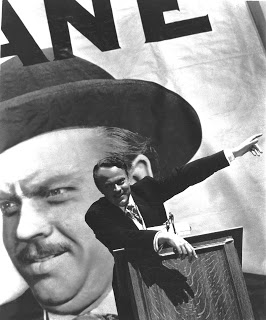
Orson Welles was only 24 when he directed, wrote, shot, and starred in Citizen Kane. Plus, he was granted his choice of actors, and, most significant of all, final cut privileges. This was unheard of at the time, especially for a first-time director at such a young age. Why would the studios allow this? Well, Welles produced a War of the Worlds radio program that was ingeniously styled as a Breaking News program. Millions of listeners were convinced that Martians were invading the planet, After a public apology, RKO Radio Pictures hired the young man to make a movie without limits, convinced of his supernatural talents.


If you ever want a good glimpse into Welles' personal life after Citizen Kane, check out Ed Wood, a small-budget Tim Burton movie that stars Johnny Depp. During one scene, Orson Welles, played by Vincent D'Onofrio, talks to Ed Wood about the making of Citizen Kane. He says that that movie was the one thing he ever did for Hollywood in which he had complete creative control. No studio input, no other naysayers to stop him. No matter how much it was based on newspaper tycoon William Randolph Hearst, and no matter how much the man tried to stop the director, the film was still true to its original screenplay. Citizen Kane was Orson Welles', and his alone. He then states he hasn't had that creative freedom since, and because Citizen Kane failed financially amidst a brutal war with Hearst, he was stifled as an artist for the rest of his career. Besides a few good shots, and a few solid acting gigs, Welles' career was never the same after Citizen Kane. One of the industry's brightest stars was lost after only one film.


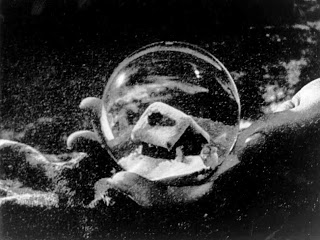
In terms of this course, examine how precisely constructed Citizen Kane is: the first ten minutes alone explain the entire story in a nutshell. The malevolent animals haunting Xanadu, Kane's death and final utterance, and the fake newsreel all explain what Citizen Kane is trying to say. Note the use of non-linear, different points of view that tell Kane's story - this was a completely new concept at the time of release. Even the actors other than Welles worked great together (mostly because they were all from the same theater troupe, the Mercury Players). The people never really mattered to Charles Foster Kane, though. Did he ever love the women he married? Or did he ever really care about his friends? Was anyone important to him?


Orson Welles shot the movie largely using innovative camera techniques that were unheard of at the time. As for my personal favorite, what do you notice is so unique about the dining room table of Kane and his first wife? (Hint: how does the size of the object change?) The opening sequence at Xanadu is still fantastic to this day, and the opera scenes are large and magnificent.


Citizen Kane has a great message: no matter how much money you make, and no matter how much stuff you own, no happiness can come from the material. "Rosebud", it turns out, is a child's sled - used by Charles when he was a young boy playing in the snow. It was the one moment of his entire life in which he was truly happy. What did you think about this twist ending? What did you think "Rosebud" meant?


One of the most important elements of Citizen Kane is understanding how badly the film was challenged upon its production. It was forced to run under a closed set, and newspapers had little to no prior knowledge of the movie before it was seen. Because of the film's not-so-subtle allegories to William Randolph Hearst, the newspaper tycoon heavily protested the film's release. He had his journalists libel Welles, and tried to bribe RKO into burning all the film's negatives. There were even rumors that Hearst tried to frame Welles with a naked prostitute in his hotel suite the night of the film's premiere.


Though the film is now considered a classic, at the time of its release it received poor box office receipts. It was nominated for nine Oscars, but lost all but Best Original Screenplay, bested in the Best Picture race by How Green Was My Valley?. Subsequently, the film faded from memory for decades, only to be revived in 1956 by several French critics who hailed it as a masterpiece and a cornerstone of the film industry.


The American Film Institute listed Citizen Kane as the #1 film of all time. Sight & Sound magazine, a decennial list of the best from noted critics, historians, and filmmakers, had the movie on top for five decades, before moving to #2 in 2012 (we will watch the movie that bumped it later this semester... any guesses?). And filmmakers are still trying to translate the magic and innovation of Kane, but none have seemed to master it. Not even Orson Welles, who besides his three-and-a-half minute opening shot of Touch of Evil, ever managed to make a movie nearly as good as Citizen Kane.

With all of this in mind... Do you think Citizen Kane deserves to be recognized as the greatest film of all time?

Sunday, July 9, 2017

The Philadelphia Story (Cukor, 1940)


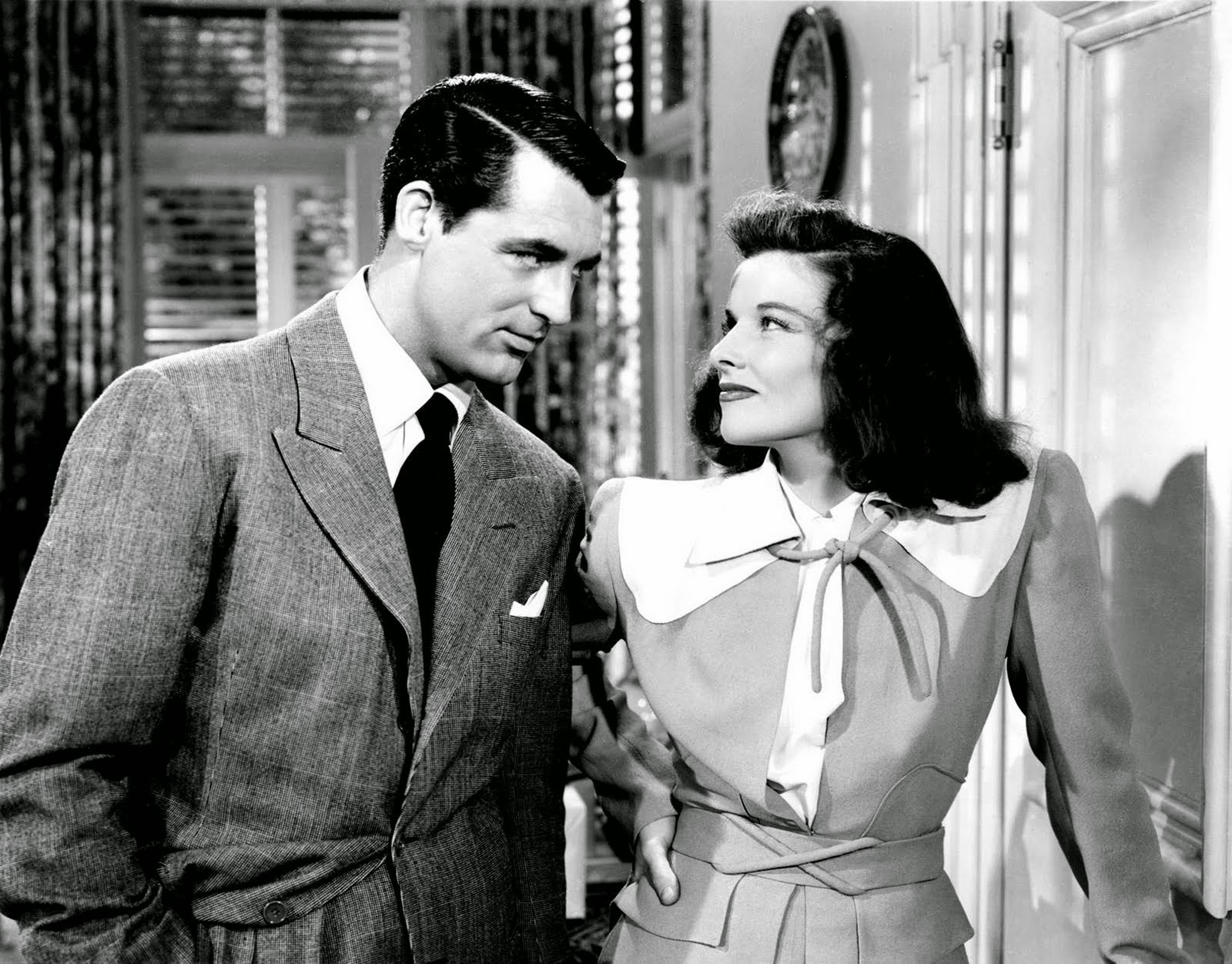
The Philadelphia Story represents the Golden Age of Hollywood in every way imaginable: the major celebrities, the high-profile script, the popular director, and the romantic comedy escapism that is hard not to enjoy. What does The Philadelphia Story do that makes you think "classic Hollywood"?


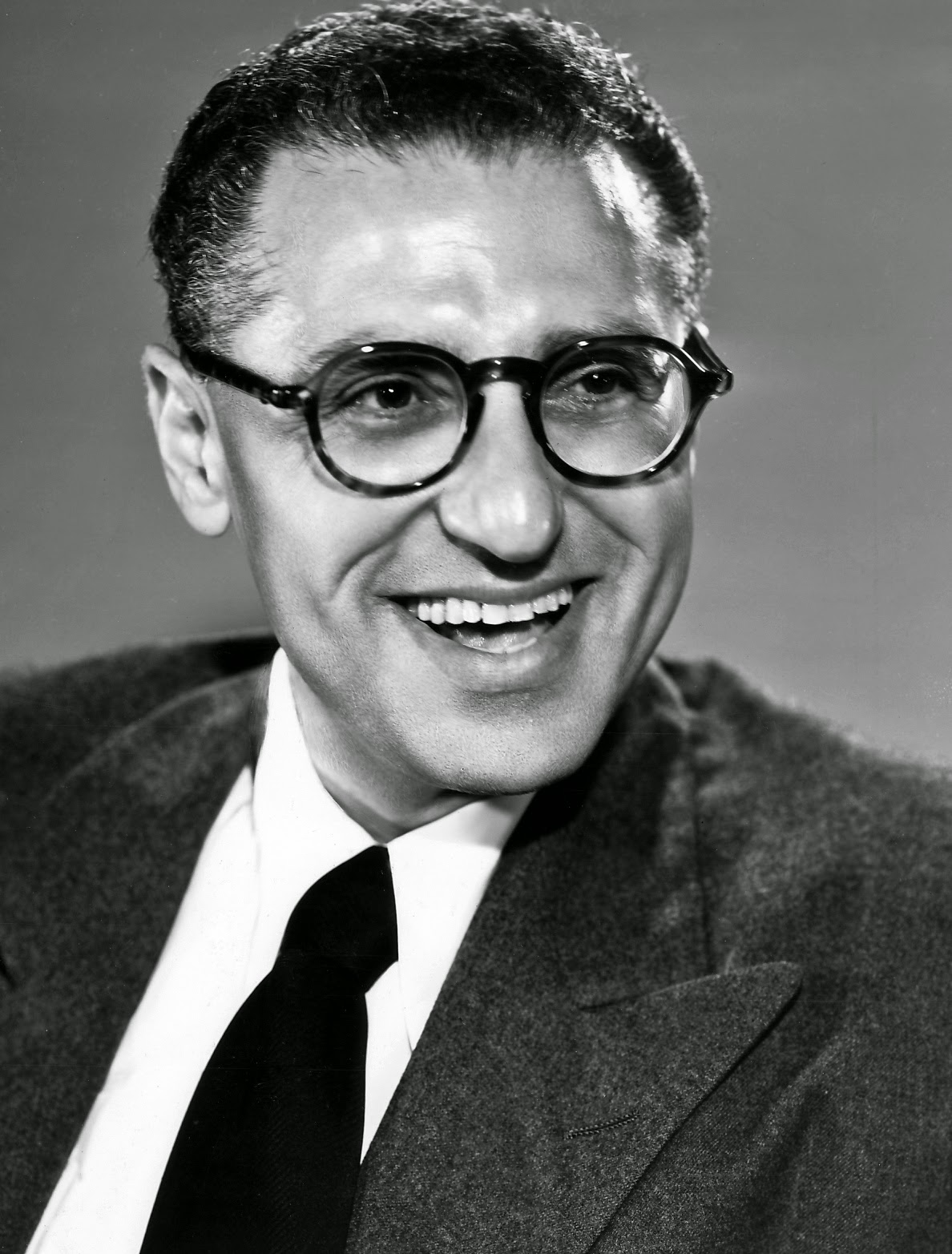
Of course, there's much more to this seemingly simple movie than meets the eye. There are several fine examples of classical lighting, as well as some inventive mise-en-scene that inspires the noir movement (the scene where Connor and Elizabeth are talking to their editor, and how the blinds play into their interaction). All of this is attributed to Golden Age director George Cukor. His nickname was "the woman's director" because of his uncanny ability to direct female actresses - particularly Katherine Hepburn. He also made Adam's Rib, A Star is Born, and My Fair Lady. He's not exactly an "auteur," but is still considered among the finest directors in the history of cinema. Why is Cukor no Alfred Hitchcock, even though his films consistently make Top 10 lists of the best movies ever made?


Pay close attention to the screenplay; while The Philaedelphia Story is a cliched narrative about a spoiled rich girl choosing between two incredibly attractive men, it's also a film with no scene wasted, or any line of dialogue meaningless. Each part relies on the entire story, with just the right balance of reality mixed in with fantasy. The screenwriter and adapter, Donald Ogden Stewart, called the film the "easiest script to write," as the play it was based on was so perfect already. How did you feel about the writing? How does the dialogue, movements, story direction, and character development work together in the script?


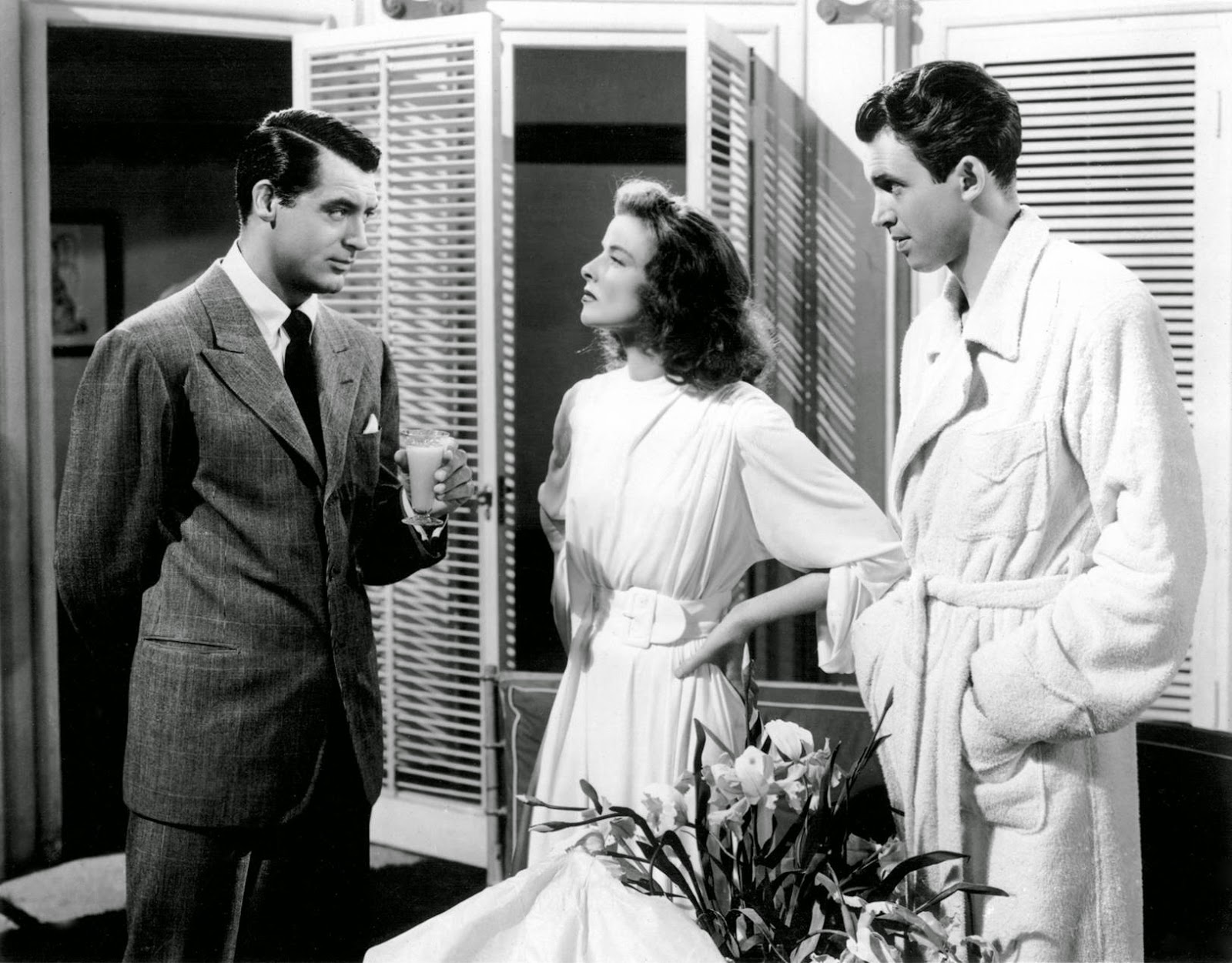
However, above all else, there are three main reasons to include The Philadelphia Story on a film syllabus: Cary Grant, Jimmy Stewart, and Katherine Hepburn. They are three of the Golden Age's most famous actors, and the American Film Institute ranked all three in their greatest stars of all time. Stewart was ranked as the #3 male, Grant the #2 male, and Katherine Hepburn was considered the #1 female actress of all time. How does their charisma play into their characters? Working hand in hand with the script, what does each actor bring to the story that may not have existed if played by someone else (i.e. Jimmy Stewart has a certain expectation in his character)?

Cary Grant had a successful career as one of America's finest dashing action heroes. He was a Hitchcock favorite (along with Jimmy Stewart), and appeared in anything from romantic comedies (Bringing Up Baby, also with Hepburn), to high-speed spy thrillers (North by Northwest). Grant had raw talent and sophistication that worked well for actors in the 1940's.

Another interesting thing to consider about The Philadelphia Story is that it was meant to save Katherine Hepburn's failing career. Despite a promising start, she had become a sort of poison at the box office, and she needed a new picture to revitalize her fame. The Philadelphia Story was the perfect vehicle to do so, so her friend Howard Hughes bought her rights to the play's film adaptation (see The Aviator for more on that story). Hepburn personally hired director George Cukor, and reluctantly accepted the Grant/Stewart match-up when Clark Gable and Spencer Tracey were unavailable.


The Philadelphia Story was the hit Hepburn needed; it was critically and commercially very successful, and it has since landed among several of the top 100 movies of all time. The American Film Institute ranked it as the #5 Best Romantic Comedy. Why do you think it ages so well? What makes this film so universally adored?


One of the aspects of a film's longevity that we haven't had the chance to discuss yet is the Academy Awards. Even today, it's the industry's highest honor, and cements a film's legacy for decades after it's release. With six nominations (including Best Picture, Best Director, Best Actress, and Best Supporting Actress), it won two, including Best Adapted Screenplay. Jimmy Stewart also won his only Oscar (beside an honorary one in 1984) for this film. Do you think he deserved this prestigious honor? Or should it have gone to Cary Grant (who wasn't nominated)?


For Further Reading:


Thursday, July 6, 2017

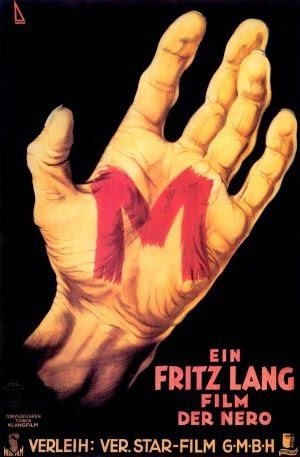
M (Lang, 1931)


M serves as an unintentional bridge between the silent era of Battleship Potemkin, and next week's super talkie The Philadelphia Story. This works well, as M's director, Fritz Lang, used M to experiment with new sound technologies that began to emerge after The Jazz Singer took off in 1925 (see "For Further Reading" below). "Talking pictures," once considered a fad by film studios, became a monumental part of the cinema experience. Now, not only can we see pictures move on a big screen, but we can also hear the actors talk and audibly interact with their environments in new and exciting ways. Although we take it for granted, this was revolutionary when it was first introduced to the public.

You'll talk about the use of offscreen space with Professor Ratekin, but one of the main features of this tool involves utilizing sound to create a three-dimensional space. There's not a whole lot of dialogue in M (especially during the chase scene), and most of the sound simply indicates offscreen danger (i.e. the whistling, the song the children are singing at the beginning, etc.). What other uses of sound did you notice?
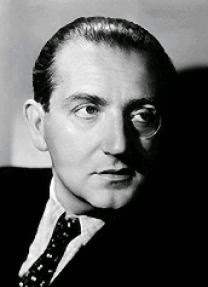
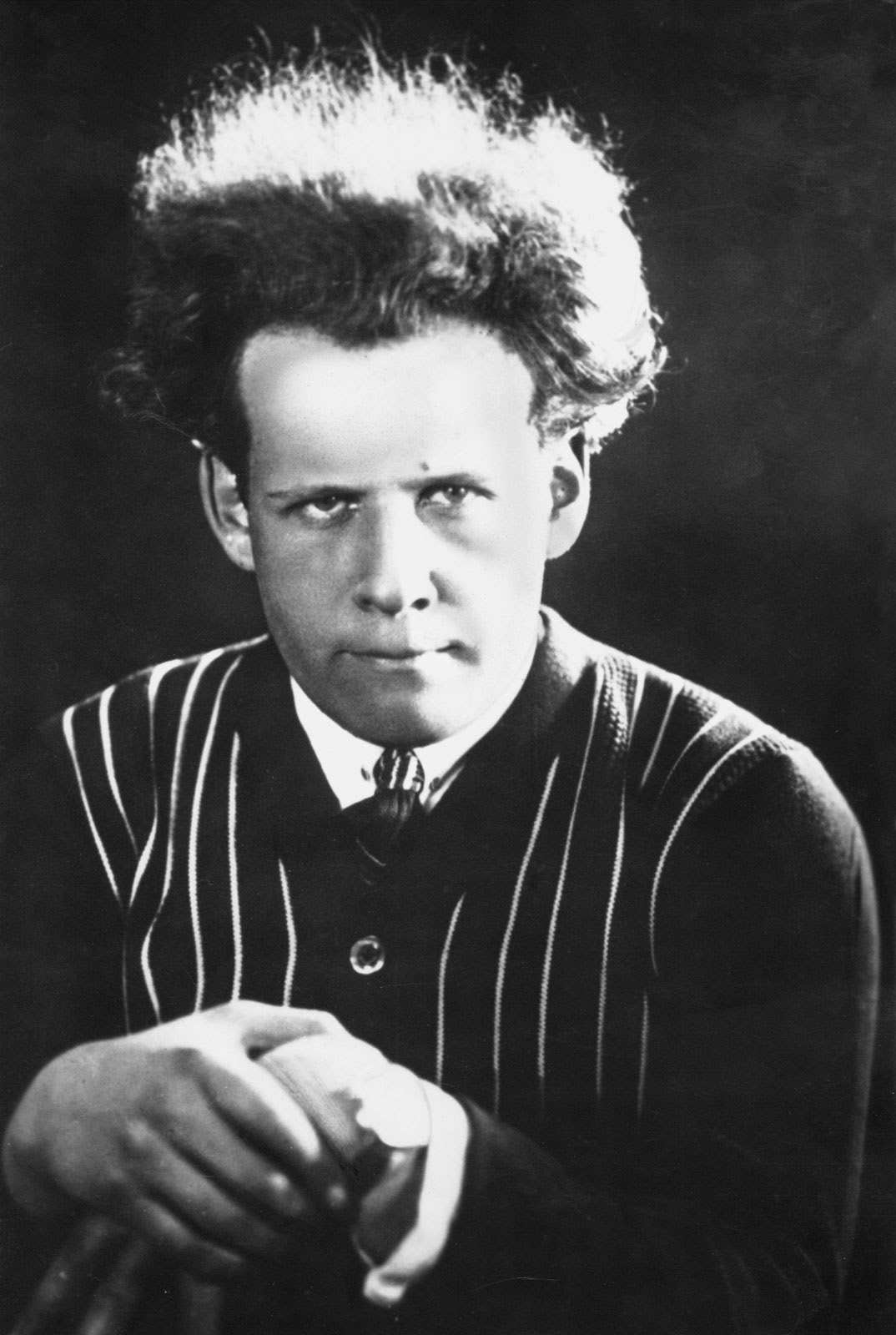
Fritz Lang
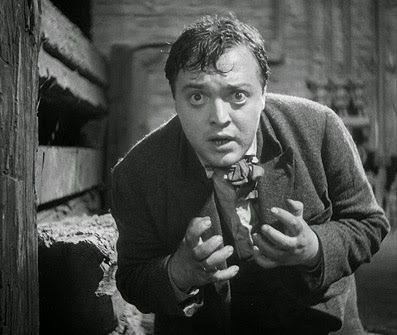
Peter Lorre as Hans Beckert

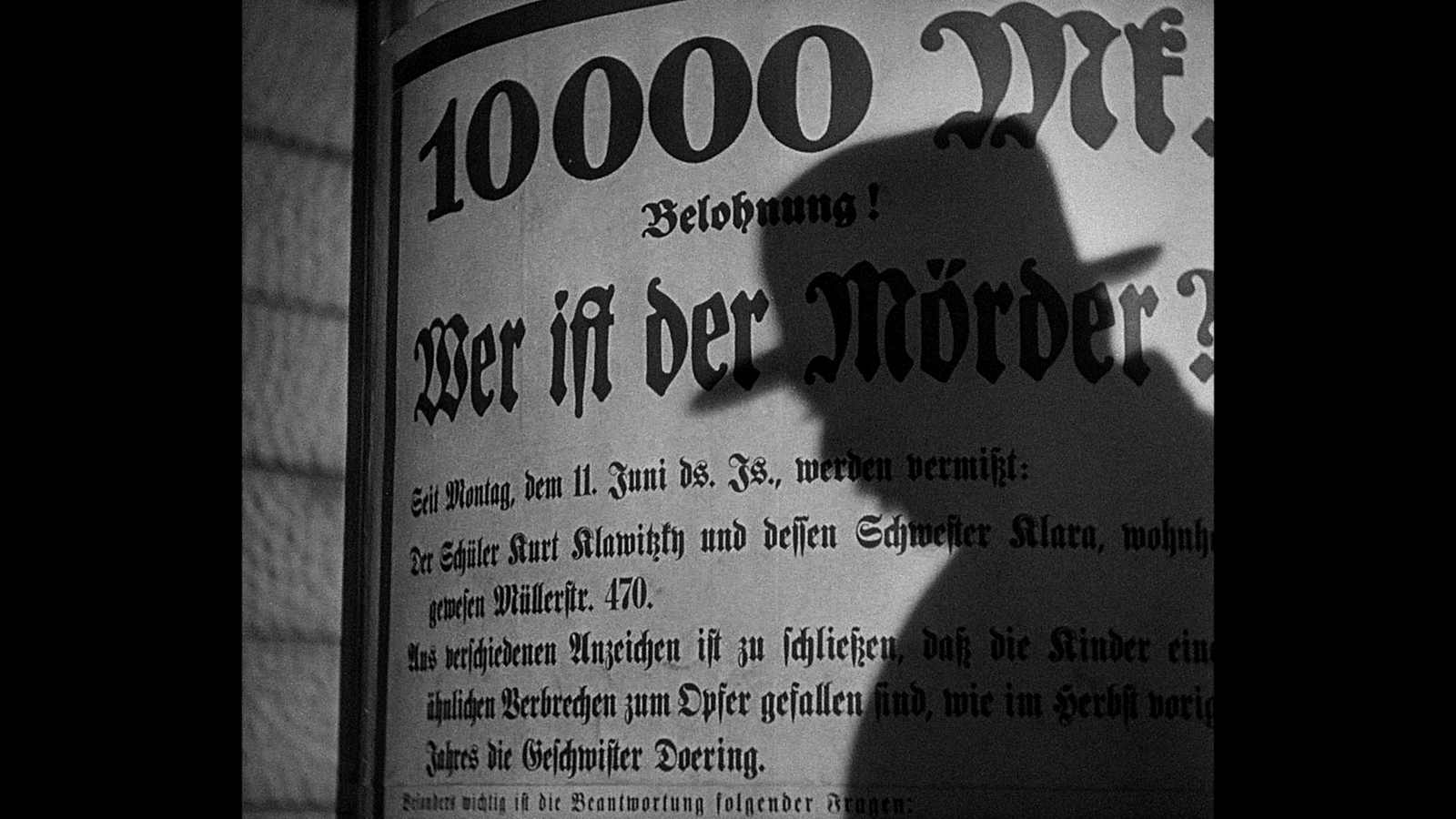
Fritz Lang, a successful silent film director in Germany who produced such classics as Metropolis, announced in 1930 that his new project would be "Murderer Among Us." However, he soon found that no studio space was being allocated for him. Back in the early days of filmmaking, there was no "independent filmmaking" as we think of it today; directors and actors were signed on to major studios, where they would have to make a certain amount of pictures for them before moving on to other projects. Lang, signed with Stakken Studios, asked the head of the group why "Murderer Among Us" was not allowed to film. The answer: the heads of the company said that the Nazi party believed that they were the titular "murderers among us," solely based on the title. Eventually, after learning of the plot, Lang was allowed to move forward with the project, which was retitled to M. Would this project be controversial today? Or is our society so numb to dark violence that a plot involving a child murderer would not seem too extreme?

Many people believe that M is meant to fictionalize the real-life serial killer "The Vampire of Dusseldorf," who terrorized children in a small town during the 1920's. However, Lang made Hans Beckert an allegory for schizophrenia and mental illness in general, drawing from multiple psychotic killers as inspiration.


Speaking of which, how many of you recognized the actor who plays Hans Beckert? He's played by Peter Lorre, one of the all-time great character actors. He was typecast in the role of the creepy villain for several years after this film, most memorably in 1941's The Maltese Falcon. He also appeared in Alfred Hitchcock's The Man Who Knew too Much and, perhaps most famously, Casablanca. (Fun fact: Steven Spielberg was such a big fan of Lorre that he hired Ronald Lacey for the role of the Gestapo interrogator who gets his hand burnt by the medallion in Raiders of the Lost Ark, specifically because he reminded the director of Lorre).

In the film, audiences often find themselves sympathizing with Hans, despite the fact that he's a child murderer. Lang did a lot in the film to make us feel more connected with him than any other character, including the detectives and the gangsters. He even gave the character a signature theme that Beckert whistles whenever he's near (called the "leitmotif"- recognizing a character based on a musical tune; this has been used in operas for centuries, but adapted for film for the first time in M). I see the character as an allegory for addressing mental illnesses better, as he claims to have no control over his urges. However, the FTF class is usually split on how they feel about Beckert. What did you think? What should his sentence have been?

The film was critically well-received in 1931, though many complained about the slow nature of some of the scenes. However, contemporary critics and academics adore the picture, largely because of the ways Hans Beckert progresses as a character, and because of the imaginative terror of his crimes (while we're on the subject, how did you imagine the crimes? Gruesome or not? We don't see anything violent in the film - it's all left to the imagination on purpose).


In terms of cinematic legacy, M inspired the genre of film noir in many ways (a genre we'll talk about later on in the course). Fritz Lang considered it his favorite film because of the social themes of parents neglecting children. Also, recognize the names Quentin Tarantino, David Fincher, or Christopher Nolan? All of them consider M among their favorite pictures. What do you think? How do you like M compared to Battleship Potemkin?

If you liked M, then check out:

Metropolis- Fritz Lang's best movie, and an early science fiction classic. It's remarkably watchable, despite its long run-time and lack of substantial dialogue.

The Jazz Singer- M uses sound in groundbreaking ways, but none of that would have been possible without this first "talking picture". It's a little long, and even more boring, but it's importance on the medium of film cannot be overlooked.


Saturday, July 1, 2017

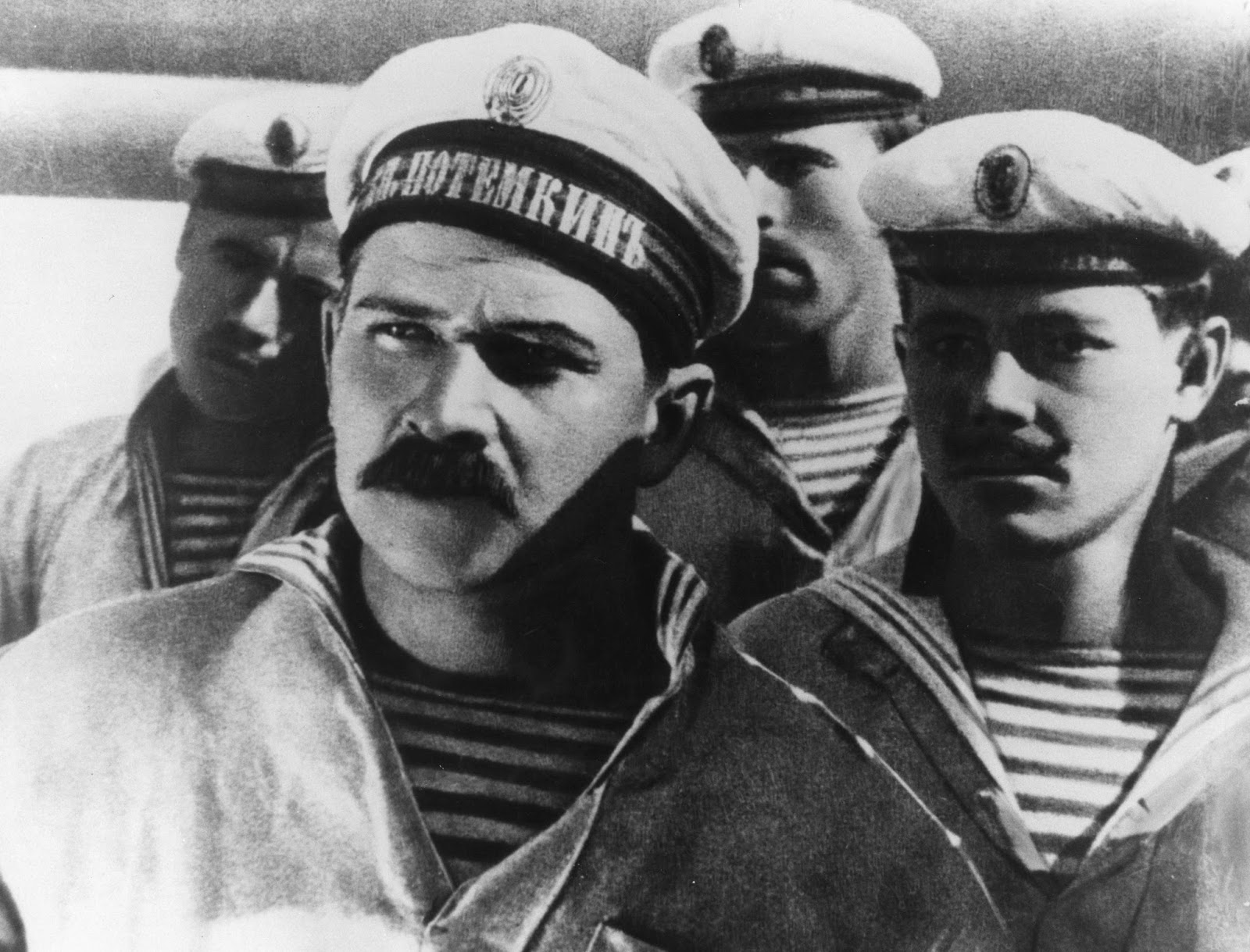
Battleship Potemkin (Eisenstein, 1925)

Welcome to the Critical Approach to Cinema blog! My name is Harsh Deshmukh, and I will be your TA over the course of this summer's class. After you watch each film, be sure to come back to this blog and read my thoughts on the film. You definitely won't enjoy each film that we watch this semester, so feel free to use this as an outlet to explain why you did or didn't enjoy it. This blog is meant to get your general reactions on the table before you go over the more intricate details with Professor Ratekin.
                                              
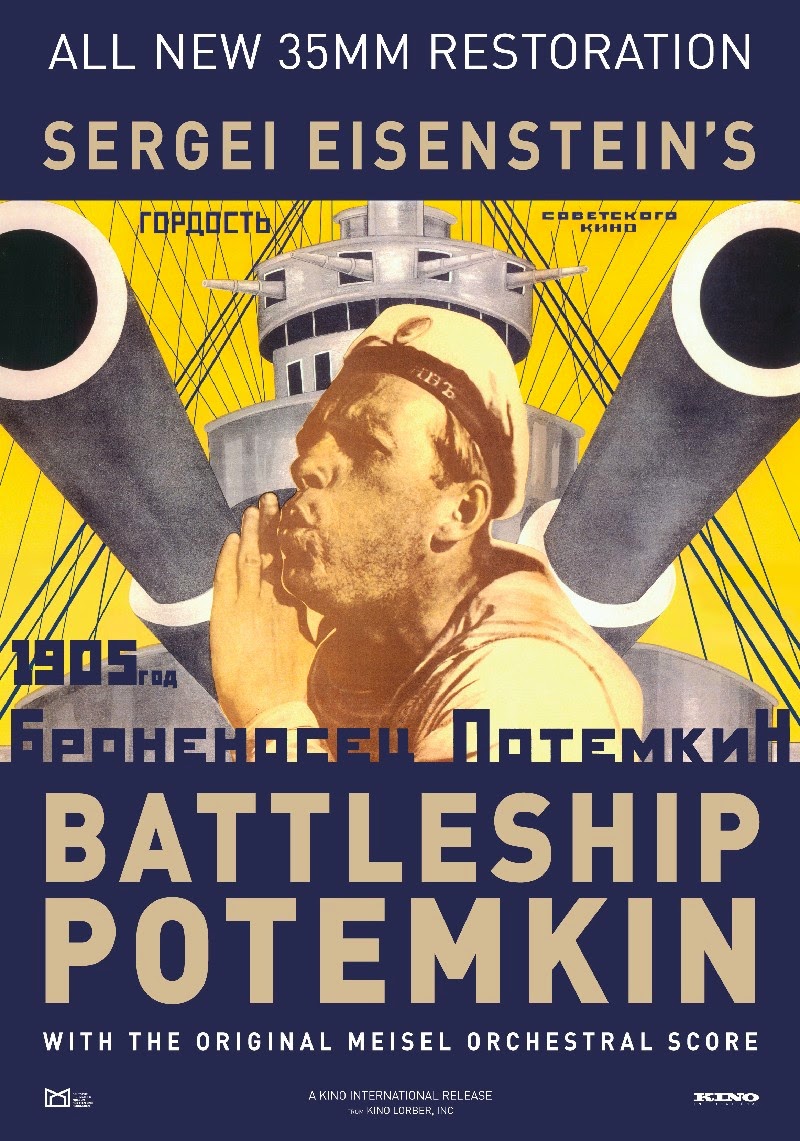
To start the course off, we have a Russian silent film called Battleship PotemkinHow many have you have seen this film?
Perhaps a better question is, how many of you have ever seen a silent film? Unfortunately, in today's fast-paced, explosion-friendly box office environment, many filmgoers just don't have the time nor the patience to deal with a film without dialogue or sound effects.  What did you notice about how a silent film compares to a "talkie"? One aspect that always sticks out to me is the acting style, which seems almost cartoonish and over-dramatic at times. It always reminds me of Charlie Chaplin, which I used to love watching as a child.
One of the aspects of cinema that you'll need to wrap your heads around is that these films have to be created. The person given this task is the director. For Battleship Potemkin, it's necessary to understand the pioneering genius of Sergei Eisenstein. A Russian filmmaker very rooted in communist beliefs, he was an early advocate for the medium of film itself. From the early days of cinema, many people (including the film's inventors themselves) felt that "moving pictures" were a passing fad with no future value. Most audiences could not understand why films were so much different from stage plays. After all, both have actors, sets, lighting designs, and an orchestra -- so why is cinema so much different than the theater?
Eisenstein set out to explain the distinction between the two with Battleship Potemkin. Watching the film today may not seem like anything special, but think about watching it in 1925! See the way Eisenstein takes care in making this much more than just a filmed stage play?  What did you notice that would separate this movie from a stage production?
One of the most obvious distinctions that differentiates stage and screen involves the use of the montage. This effect allows quick cross-cutting to tell multiple angles of a story that would otherwise prove impossible to replicate on the stage and/or reality. Think about some montages you've seen before. They're quite common now, but why would a filmmaker want to employ this technique? What's the benefit of cutting a story across time and space in rapid succession? How is it used differently in different genre? For example, romantic comedies vs. thrillers (like the ending of The Godfather)?

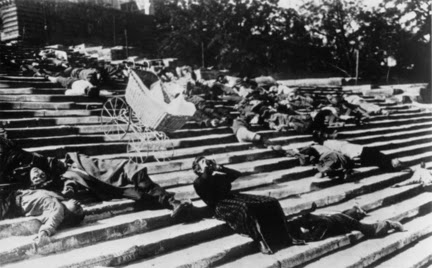
In addition to the influence of Eisenstein on the medium, Battleship Potemkin is also a full-fledged piece of Soviet propaganda. It's easy to be swept away into the Communist fervor of the picture; the Tsarists seem so evil, while the abused sailors appear so innocent. After watching the extermination of an entire town during the famous Odessa Steps sequence, many became convinced that communism was the solution to their problems. Interestingly enough, Eisenstein wanted to change the soundtrack to the picture every 20 years so that the heavy messages could be passed to each new generation to astounding effect. Like every good piece of propaganda, however, Potemkin manages to overlook the major problems of communism in favor of a grand image of the homeland. Would you have been swept away by this spectacle if you were living in Russia during the 1920's? Start thinking about what makes a movie propaganda. Consider films like Die Hard or High Noon - what American values do they push onto the global marketplace that could be considered in other countries as US propaganda?
Upon the film's original release, Battleship Potemkin was banned in several countries for overtly pro-communist themes. It received "X" ratings for several years (the equivalent of NC-17 today), and has only  been more widely seen and distributed over the past few decades. Today, it has a reputation as the finest propaganda picture of all time. How do you think the propaganda nature of Battleship Potemkin plays into its overall legacy? Does it matter that this film is pro-Communism? Can it be appreciated without acknowledging this? Why or why not? 

If silent movies are not your thing, I completely understand. Believe me, their dated nature makes them extremely boring at times. However, I hope you found a few things to enjoy in your first film viewing this semester!
For Further Reading:
Roger Ebert's Great Movies essay on Battleship Potemkin
How Battleship Potemkin Influenced Star Wars